

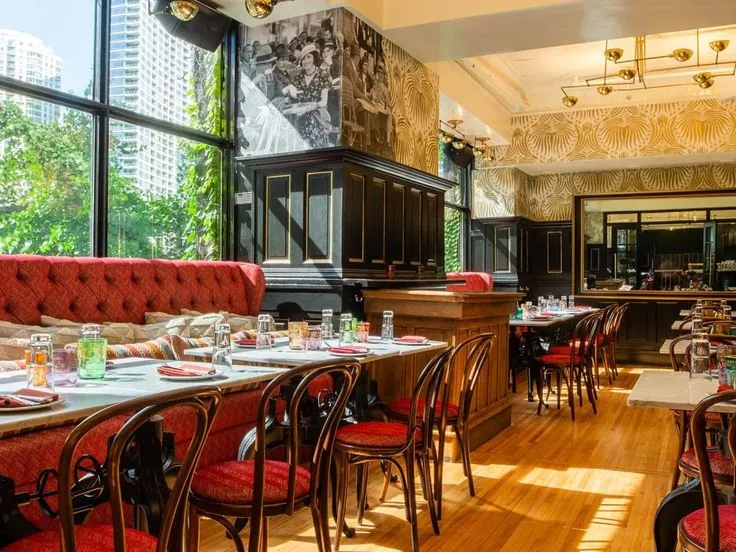
An enjoyable restaurant experience should not depend on a customer’s age, mobility, dietary preferences, or familiarity with a particular cuisine. Dining establishments increasingly recognize that thoughtful hospitality involves creating spaces where different guests feel comfortable. People searching for the best restaurants Chicago has to offer may initially compare menus and customer reviews, but accessibility, seating arrangements, and clear communication can be equally important.
Across a city known for its culinary diversity, inclusive dining presents an opportunity for restaurant owners to reach more customers. Small improvements to physical spaces and everyday services can make meaningful differences without changing a restaurant’s identity.
Accessibility Begins Before Guests Arrive
A welcoming dining experience starts before customers enter the restaurant. Clear information about entrances, parking, stairs, and accessible facilities helps people determine whether a location meets their needs. Restaurants can make this information available through websites, reservation platforms, or direct communication. Accurate descriptions are especially valuable for customers who use mobility aids or require assistance.
Providing accessibility information also reduces uncertainty for families traveling with older relatives or young children. Customers can plan their visits confidently rather than encountering unexpected difficulties upon arrival.
Restaurant Layout Influences Comfort
Furniture placement affects how easily customers and employees move through a dining room. Narrow walkways, crowded seating, and poorly positioned furniture can create unnecessary obstacles. Thoughtful layouts provide sufficient circulation space while maintaining an inviting atmosphere. Restaurants should also consider lighting, table heights, and the distance between seating areas.
These decisions benefit more than customers with disabilities. Comfortable layouts make dining easier for parents with strollers, groups sharing meals, and servers carrying food through busy spaces.
Inclusive Menus Support Different Needs
The dining experience becomes more accessible when menus communicate ingredients and preparation methods clearly. Customers with allergies, dietary restrictions, or unfamiliarity with certain dishes often need additional information. Some restaurants downtown chicago visitors consider may offer vegetarian dishes, ingredient modifications, or allergen information, although specific accommodations should always be confirmed directly.
Restaurants should avoid promising that meals are allergen-free unless appropriate procedures support that claim. Clear communication about cross-contact risks helps customers make informed decisions. Readable menus with straightforward descriptions can also reduce confusion, making ordering more comfortable for a wider audience.
Sound and Lighting Shape the Experience
Restaurant atmosphere is often associated with energetic music and dramatic lighting. While these features can create a distinctive identity, they may also influence accessibility and comfort. Excessive background noise can make conversations difficult for customers with hearing challenges. Similarly, very dim lighting may complicate menu reading and movement.
Restaurant owners can balance atmosphere with practical needs through adjustable lighting, quieter seating sections, and appropriate acoustic treatments. These improvements do not require every establishment to feel identical. Instead, they help businesses create enjoyable surroundings while respecting different customer preferences.
Hospitality Training Makes a Difference
Physical design is only one part of inclusive dining. Employees also influence whether customers feel respected and supported throughout their visits. Staff should understand how to respond appropriately to accommodation requests, communicate dietary information, and offer assistance without making assumptions about individual capabilities.
Simple practices, such as addressing customers directly and allowing sufficient time for questions, can improve interactions considerably. Regular training helps employees recognize that hospitality involves flexibility. A respectful response to an unfamiliar request can leave a stronger impression than elaborate presentation alone.
Technology Can Remove Practical Barriers
Digital tools offer additional opportunities to improve restaurant accessibility. Online reservation systems, accessible websites, and clearly organized menus can simplify planning. However, technology should not become the only way customers can obtain essential services. Some guests may prefer printed menus or direct assistance rather than smartphone-based ordering.
Providing alternatives allows restaurants to benefit from digital convenience without excluding customers who face technical or accessibility challenges. Businesses should periodically review their online services to identify navigation problems, outdated information, or features that customers find difficult to use.
Inclusive Dining Benefits Restaurant Businesses
Accessibility improvements can expand a restaurant’s potential customer base while strengthening its reputation for thoughtful service. Customers who experience fewer barriers may be more comfortable returning and recommending the establishment to others. Inclusive practices can also support positive experiences during family gatherings and group celebrations.
Restaurant owners should evaluate accessibility as an ongoing responsibility rather than a one-time renovation project. Regular feedback, practical adjustments, and attention to applicable accessibility standards can help businesses maintain welcoming environments as customer expectations evolve.
Conclusion
A memorable restaurant experience depends on more than excellent cooking. Comfortable spaces, transparent menus, accessible services, and considerate employees all contribute to customer satisfaction. Chicago’s diverse hospitality industry has opportunities to make dining more welcoming without losing the individuality that distinguishes local establishments. The restaurant coverage available through bfacollective.com provides another perspective on the businesses shaping the city’s culinary landscape. Ultimately, inclusive hospitality benefits customers and strengthens the foundations of a successful restaurant.
